In 2026, smart home gadgets have evolved from futuristic novelties into essential tools that simplify daily life, improve energy efficiency, and provide peace of mind. With widespread adoption of the Matter standard, these devices now work seamlessly across ecosystems like Amazon Alexa, Google Home, Apple HomeKit, and more, reducing compatibility headaches.
Whether you’re a beginner building your first setup or expanding an existing system, the right smart home gadgets can automate routines, enhance security, and create a more comfortable environment. This comprehensive guide covers the top recommendations, trends, benefits, drawbacks, and practical advice to help you make informed choices.
Smart home gadgets integrate sensors, AI, and connectivity to respond to your needs proactively. For instance, lights that adjust based on occupancy or thermostats that learn your schedule can cut energy bills significantly while maintaining comfort.
Why Invest in Smart Home Gadgets in 2026?
The smart home market continues to grow rapidly, driven by advancements in AI, edge computing, and interoperability. Matter 2.0 and Thread technology enable local control, faster responses, and better privacy.
Key benefits include:
- Energy Savings: Smart thermostats and plugs can reduce HVAC and appliance usage by 10-20%.
- Enhanced Security: AI-powered cameras and locks distinguish between people, pets, and threats.
- Convenience: Voice commands and automations handle repetitive tasks.
- Accessibility: Features like automated lighting and locks help seniors and people with mobility needs.
Drawbacks to consider: Initial costs, potential privacy concerns with cloud data, and the learning curve for complex setups. Starting small mitigates these issues.
Top Categories of Smart Home Gadgets
1. Smart Hubs and Speakers: The Brain of Your Home
A reliable hub ties everything together.
Amazon Echo Show 8 (or newer generations) stands out as a versatile smart display with excellent sound, touchscreen controls, and camera feeds. It serves as an ideal central command for routines and family coordination.
Google Nest Hub excels for Gemini AI users, offering intuitive controls and sleep tracking. Apple users prefer HomePod mini for strong privacy and HomeKit integration.
Expert Tip: Choose a hub with Matter and Thread support for future-proofing. Place it centrally for optimal voice detection.
2. Smart Lighting: Set the Mood and Save Energy
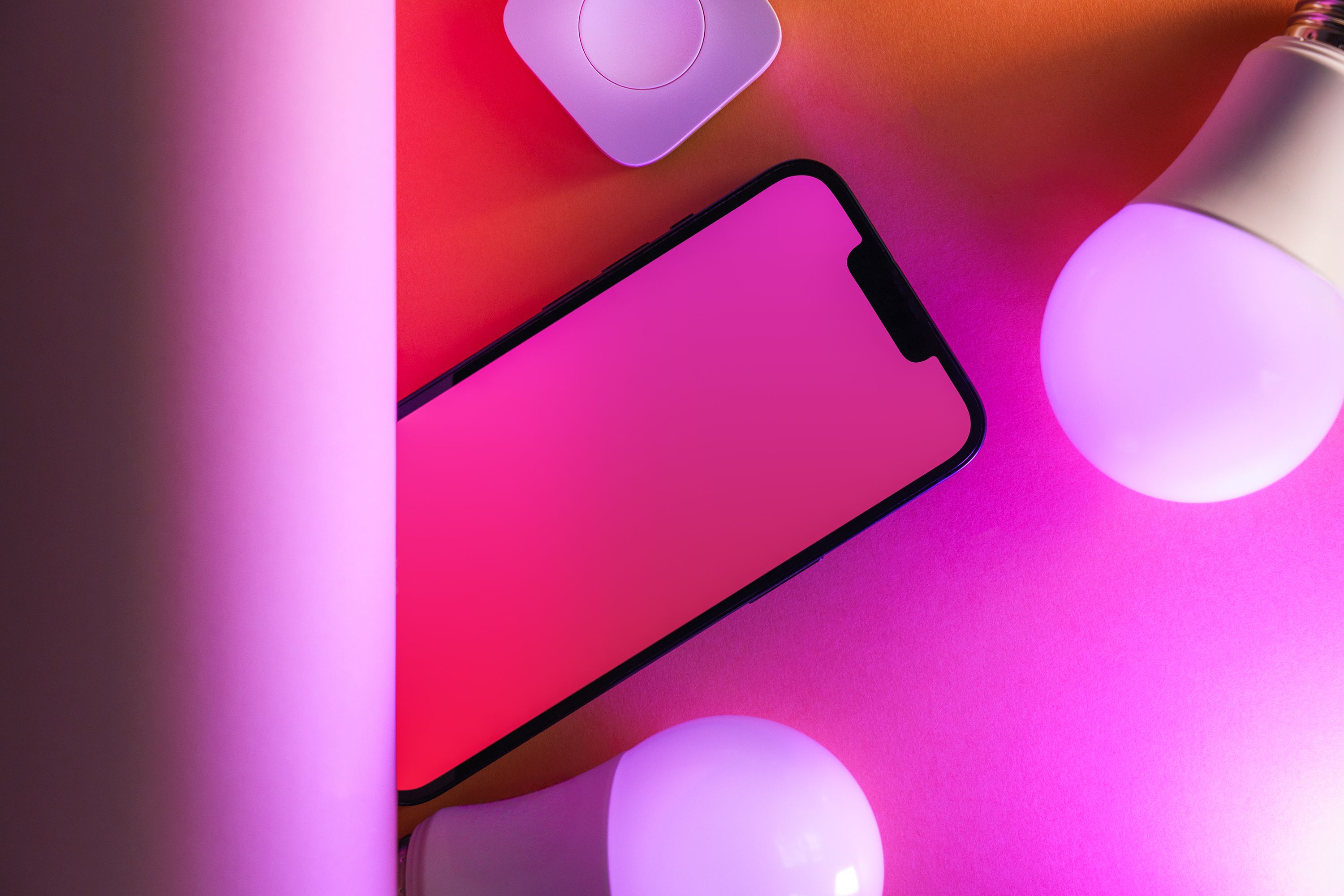
Philips Hue and Govee lead the category. Govee’s Uplighter Floor Lamp and outdoor string lights offer creative, functional illumination.
TP-Link Tapo and Wiz bulbs provide affordable, bright, Matter-certified options with millions of color choices.
Benefits vs Drawbacks:
- Pros: Schedules, scenes, energy monitoring.
- Cons: Higher upfront cost than traditional bulbs; some require bridges.
Real-World Scenario: Coming home to lights that gradually brighten in the morning or dim for movie nights.
3. Smart Thermostats and Climate Control
Ecobee Smart Thermostat Premium and Google Nest Learning Thermostat top lists for learning capabilities, room sensors, and air quality monitoring.
These devices adjust temperatures based on occupancy, potentially paying for themselves in energy savings within a year.
Actionable Advice: Install sensors in frequently used rooms for zoned comfort.
4. Security and Access Control
Smart Locks: Aqara U200, Kwikset models, and SwitchBot options offer keyless entry, fingerprints, and palm recognition.
Video Doorbells and Cameras: Google Nest, Ring, TP-Link Tapo, and Reolink provide clear video, AI detection, and local storage options to minimize subscriptions.
Garage Door Openers: Third Reality’s Matter-compatible robotic solution automates existing doors without heavy installation.
Comparison Table:
| Device Type | Top Pick | Key Feature | Price Range | Subscription Needed? |
|---|---|---|---|---|
| Smart Lock | Aqara U200 | Fingerprint + UWB | $$ –$$$ | Low |
| Video Doorbell | Google Nest | Battery + AI detection | $$ | Optional |
| Security Camera | Tapo / Reolink | Local storage, pan-tilt | $–$$ | Low |
| Garage Opener | Third Reality | Robotic, Matter | $$ | No |
5. Cleaning and Maintenance Gadgets
Robot vacuums like Eufy Omni, Dreame, and models with self-cleaning docks handle floors autonomously. Smart air purifiers and leak sensors add proactive protection.
Beginner Tip: Start with a budget robot vacuum that empties itself for hands-off operation.
Smart Home Gadgets for Every Room
Kitchen and Cooking
Smart plugs turn ordinary appliances intelligent. Air fryers and coffee makers with app control fit busy lifestyles.
Living Room and Entertainment
Multi-room speakers (Sonos, Echo) and smart displays create immersive experiences. Integrated lighting syncs with media.
Bedroom and Wellness
Sleep-tracking hubs, automated blinds, and gentle wake-up lights promote better rest.
Bathroom and Outdoor
Smart toilets, outdoor cameras, and weatherproof lights extend intelligence beyond interiors.
Additional Subheading: How Matter and Thread Are Revolutionizing Smart Home Gadgets
Matter ensures cross-platform compatibility, while Thread provides low-power, reliable mesh networking. In 2026, most new smart home gadgets support these, allowing mixing brands without frustration.
Additional Subheading: Building Your First Smart Home System on a Budget
Start with 2-3 devices: A smart plug pack (~$20-30), an Echo Dot or similar speaker (~$50), and a basic camera. Expand gradually. Total starter cost under $150.
Additional Subheading: Energy Efficiency and Sustainability with Smart Home Gadgets
Monitor usage in real-time, automate off-peak operations, and integrate with solar or EV chargers for greener living.
Additional Subheading: Privacy and Security Best Practices
Use local storage where possible, enable two-factor authentication, and review app permissions regularly. Opt for devices with strong encryption.
Additional Subheading: Integrating Smart Home Gadgets with Voice Assistants
Alexa, Google Assistant, and Siri handle complex routines. Example: “Good morning” triggers lights, coffee maker, and news briefing.
Expert Tips for Maximizing Your Smart Home Gadgets
- Plan Your Ecosystem: Choose one primary (e.g., Alexa for broad compatibility) but use Matter for flexibility.
- Automations Over Voice: Set location-based or time-based rules for true hands-free living.
- Test Compatibility: Verify Matter/Thread support before buying.
- Maintenance: Update firmware regularly and monitor battery-powered devices.
- Scale Thoughtfully: Focus on high-impact areas like entryways and main living spaces first.
Practical Example: A family uses geofencing so lights turn on when someone approaches home, the thermostat adjusts upon arrival, and the robot vacuum runs after everyone leaves.
Comparing Popular Ecosystems
- Amazon Alexa: Best device selection and routines.
- Google Home: Superior AI and search integration.
- Apple HomeKit: Top privacy focus.
- Multi-Platform: Aqara and similar hubs bridge gaps.
Benefits vs Drawbacks Table for Ecosystems (expand in full article with pros/cons).
Future Trends in Smart Home Gadgets for 2026 and Beyond
AI edge processing, better energy management, robot integration, and health monitoring will dominate. Expect more proactive assistants that anticipate needs.
Conclusion
The best smart home gadgets in 2026 offer a powerful combination of convenience, security, and efficiency. By starting with hubs, lighting, and security, then expanding thoughtfully, you can create a responsive home tailored to your lifestyle. Weigh benefits like energy savings and automation against initial investment and setup time. Prioritize Matter-compatible devices for longevity, and always focus on reputable brands.
Actionable Takeaways:
- Assess your needs and budget before purchasing.
- Begin with 3-5 core smart home gadgets.
- Test automations and refine over time.
- Stay updated on firmware and new standards.
Investing in smart home gadgets today prepares your home for a smarter, more enjoyable tomorrow. Explore options that align with your priorities and enjoy the transformation.