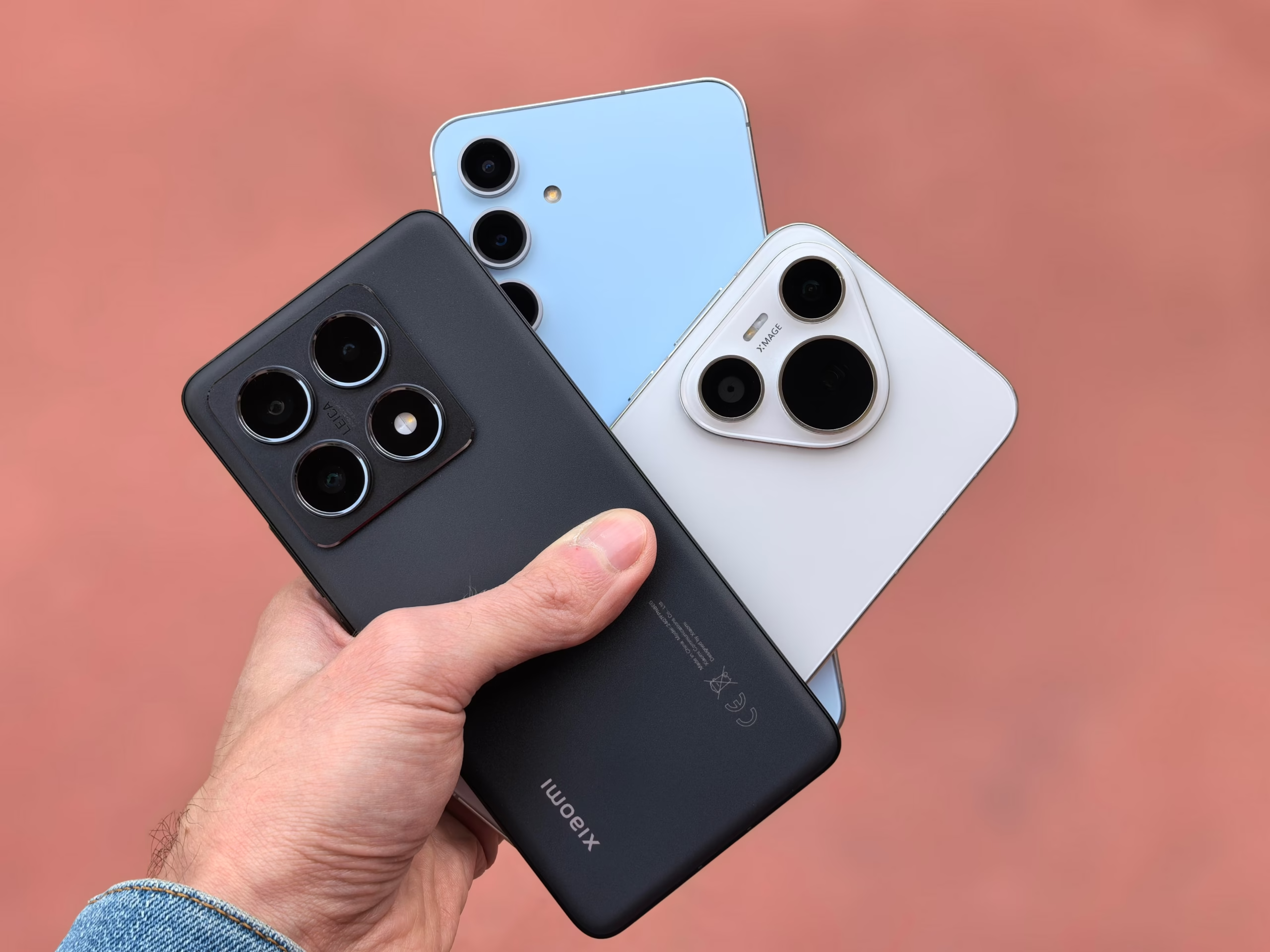
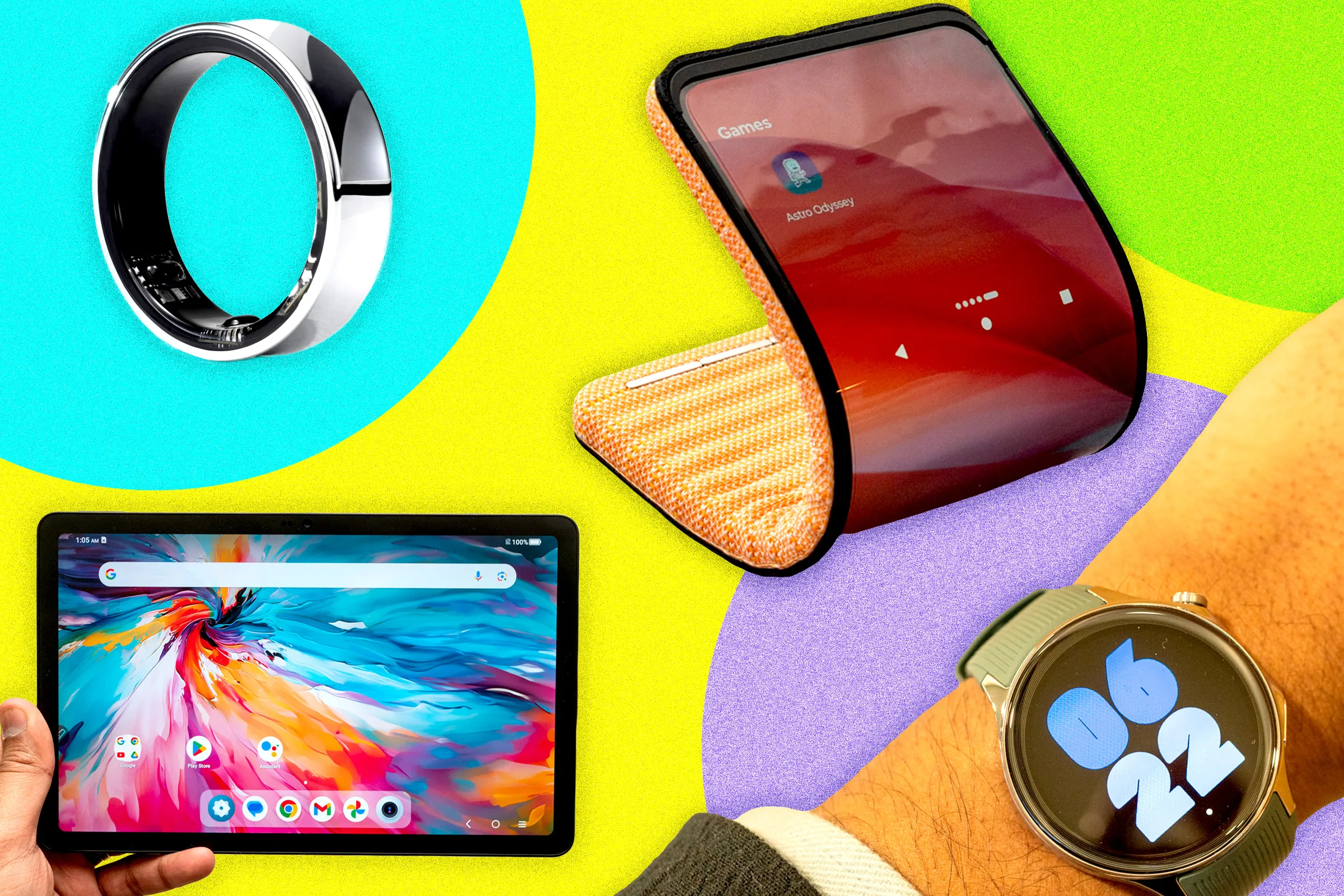
The smartphone and gadget market has undergone a remarkable transformation. Not long ago, buying a budget phone meant accepting significant compromises: sluggish performance, poor cameras, and outdated designs. Today, the landscape is dramatically different. You can purchase devices that deliver near-flagship experiences for a fraction of the cost, making the question Best Budget Mobile and Gadgets Available Today more relevant than ever.
This comprehensive guide explores the best budget mobile and gadgets available today, whether you are a student, a professional on a tight budget, or simply someone who values smart spending over unnecessary extravagance. We’ll break down the top contenders across different price points, from premium-feeling mid-rangers to ultra-affordable entry-level handsets, and explore the essential gadgets that complement them. By the end, you’ll have all the information needed to make an informed purchasing decision.
The State of the Budget Market in 2026
The budget smartphone segment has become fiercely competitive. Manufacturers are packing features once reserved for premium flagships—high refresh rate displays, capable camera systems, and long-lasting batteries—into devices costing a fraction of the price. While flagship phones can easily exceed $1,000, the best budget mobile options today often cost between $200 and $600 and deliver an impressive 80-90% of the flagship experience.
Recent industry challenges, including global chip and memory shortages, have pushed some price points slightly higher, but value remains exceptional. Some of the best budget mobile and gadgets available today offer features like fast 5G connectivity, multi-day battery life, and durable designs that rival devices costing twice as much.
The competition among brands like Google, Apple, Samsung, Motorola, and emerging Chinese manufacturers has created a perfect storm for consumers. Each brand is striving to outdo the others in terms of features, build quality, and software support, all while keeping prices accessible. This healthy competition means that even entry-level devices now come with respectable cameras, vibrant displays, and enough processing power for everyday tasks.
What Defines a “Budget” Device Today?
Before diving into specific recommendations, it is important to understand what the term “budget” means in today’s technology landscape. The budget segment can be broadly divided into three categories:
Entry-Level (Under $200)
These devices are designed for first-time smartphone users, children, or as backup phones. They typically feature modest processors, adequate cameras, and basic displays. While they lack premium features, they handle essential tasks like calling, messaging, and light social media browsing.
Mid-Range ($200 – $500)
This is the sweet spot for most consumers. Devices in this range offer impressive specifications, including high-refresh-rate displays, capable multi-lens cameras, and processors that can handle gaming and multitasking. Many of the best budget mobile and gadgets available today fall into this category.
Upper Mid-Range ($500 – $700)
These devices often borrow features from flagship phones, such as premium build materials, advanced camera systems, and extended software support. They offer a near-premium experience without the four-figure price tag.
Understanding these categories helps you set realistic expectations and choose a device that aligns with your needs and budget.
Best Budget Smartphones: Top Picks Across Price Ranges
Flagship Performance for Under $500: Google Pixel 10a
The Google Pixel 10a has redefined expectations for sub-$500 smartphones. At $499, it delivers a premium experience with very few compromises. The camera sits flush with the rear panel, a design choice that even outshines its more expensive siblings. The 6.3-inch pOLED display with a smooth 120Hz refresh rate makes scrolling feel wonderfully fluid, while the in-screen fingerprint reader adds convenient security.
Performance-wise, the Pixel 10a handles daily tasks with ease, and its 16 hours and 34 minutes of battery life in testing ensures all-day usability. But its real strength lies in Google’s software, including Magic Eraser and Best Take features. When considering the Best Budget Mobile and Gadgets Available Today, the Pixel 10a consistently ranks at the top for Android users.
The camera system deserves special mention. Google’s computational photography prowess means that even without multiple lenses, the Pixel 10a captures stunning photos in various lighting conditions. Night Sight mode produces clear, detailed images in low light, while Portrait mode offers professional-looking bokeh effects. For social media enthusiasts and casual photographers, this phone is a dream come true.
The Best Budget iPhone: Apple iPhone 17e
For iOS enthusiasts, the iPhone 17e, priced at $599, proves that you can get a truly premium Apple experience without paying close to a grand. It retains many features of the $800 iPhone 17, including the powerful Apple A19 processor and, crucially for many, MagSafe support for snap-on accessories. Its 16-hour battery life and premium aluminum body offer a polished experience.
The camera, while a single-lens setup, takes dependable shots in good lighting. When exploring the Best Budget Mobile and Gadgets Available Today, the iPhone 17e is the undisputed choice for those deeply embedded in the Apple ecosystem. It is ideal for anyone coming from an older iPhone SE or iPhone 11, offering a significant upgrade at a relatively accessible price point.
Apple’s commitment to software longevity is another compelling reason to choose the iPhone 17e. With five to six years of iOS updates guaranteed, this phone will remain secure and functional for years to come. The integration with other Apple products, such as AirPods, Apple Watch, and MacBooks, further enhances its appeal for users already invested in the ecosystem.
The Best Under $300: Moto G Power (2025)
For those on a strict sub-$300 budget, the Moto G Power (2025) is a testament to how far affordable devices have come. Priced at just $299, this phone punches well above its weight. Motorola has delivered a sleek, dependable Android device that feels more premium than its price tag suggests. Its key strength lies in its reliable performance and attractive build, ensuring you get a solid experience without breaking the bank. It is an excellent contender for anyone seeking the best budget mobile and gadgets available today at the absolute lowest price point.
The Moto G Power lives up to its name with exceptional battery endurance. Users can expect up to two full days of moderate use on a single charge, making it ideal for travelers, students, and busy professionals. The 90Hz display, while not as smooth as 120Hz panels, still offers a noticeable improvement over standard 60Hz screens, enhancing the overall user experience.
Samsung Galaxy A17: The Reliable All-Rounder
Samsung’s Galaxy A series has long been a favorite in the budget segment, and the Galaxy A17 continues this tradition. Priced competitively around $350, it offers a well-rounded package that appeals to a broad audience. The 6.5-inch Super AMOLED display delivers vibrant colors and deep blacks, making it excellent for media consumption.
The triple-camera setup includes a 50MP main sensor, an ultrawide lens, and a macro lens, covering most photography needs. Samsung’s One UI software is intuitive and feature-rich, with customization options that allow users to tailor the experience to their preferences. With four years of Android updates and five years of security patches, the Galaxy A17 represents a solid investment for long-term use.
OnePlus Nord CE 5: Speed and Style
OnePlus has carved a niche for itself in the budget segment with the Nord series. The Nord CE 5, priced around $400, offers a perfect blend of performance and aesthetics. Its 6.7-inch AMOLED display with a 120Hz refresh rate ensures smooth scrolling and gaming experiences. The Snapdragon 7-series processor handles multitasking effortlessly, while the 4500mAh battery supports Warp Charge fast charging.
The camera system, co-engineered with Hasselblad, produces natural-looking photos with excellent dynamic range. OxygenOS, OnePlus’s custom Android skin, is known for its cleanliness and speed, providing a near-stock Android experience with useful additions. For users who prioritize speed and software optimization, the Nord CE 5 is an attractive option.
Budget Phones Under ₹20,000 (India Focus)
In the Indian market, the budget segment is particularly vibrant, with brands offering incredible features at highly competitive prices. The CMF Phone 2 Pro by Nothing starts at ₹18,999 and stands out with its modular design, allowing users to switch back covers and attach accessories like a kickstand or macro lenses. For gamers, the Realme P4x 5G (₹20,999) features a 144Hz display, a Dimensity 7400 Ultra processor, and an advanced vapor chamber cooling system to prevent overheating during intense sessions. Its bypass charging feature further helps preserve battery health.
On the ultra-budget end, the itel ZENO 100 Pro, priced at an introductory ₹8,599, brings military-grade durability (MIL-STD-810H) and a 90Hz display to the entry-level segment, making it a compelling option for first-time smartphone users. Another option is the Itel A100 Pro, expected to be priced around ₹25,000 to ₹28,000 in Pakistan and other markets, which also features a 90Hz display and a 5000mAh battery.
Xiaomi Redmi Note 14 Pro: Feature-Packed Value
Xiaomi continues to dominate the budget segment with the Redmi Note 14 Pro, priced at approximately ₹19,999. This device offers a 6.67-inch AMOLED display with a 120Hz refresh rate, a MediaTek Dimensity 7200 processor, and a 5000mAh battery with 67W fast charging. The 108MP main camera captures incredibly detailed images, while the 8MP ultrawide and 2MP macro lenses add versatility.
MIUI, Xiaomi’s custom Android skin, includes numerous features and customization options. While some users may find the software slightly cluttered, the overall performance and value for money make the Redmi Note 14 Pro a compelling choice for budget-conscious consumers.
iQOO Z9 5G: Gaming-Focused Budget Phone
For mobile gamers on a budget, the iQOO Z9 5G offers exceptional value. Priced around ₹16,999, it features a 6.58-inch IPS LCD with a 120Hz refresh rate, a MediaTek Dimensity 7200 processor, and a 5000mAh battery with 44W fast charging. The dedicated gaming mode optimizes performance and minimizes distractions, ensuring a smooth gaming experience.
The 50MP main camera with OIS (Optical Image Stabilization) captures steady shots and videos, making it suitable for content creators on a budget. iQOO’s Funtouch OS includes gaming-specific features like voice changers and performance monitoring, enhancing the overall gaming experience.
Emerging Contenders in the Budget Arena
Recent reviews highlight several other noteworthy budget phones. The Motorola Edge (2026) is a compact and stylish alternative at $600. It features a stunning camera stack—50MP primary, 50MP ultrawide, and a 10MP telephoto lens—and a durable IP69 weatherproofing rating. However, its 128GB storage and only three years of platform updates are notable drawbacks.
At the ultra-budget level, the Teclast P50 2026 tablet, priced around $106, offers an 11-inch 90Hz display and a microSD card slot that supports up to 1TB of expansion, making it an ideal gadget for media consumption.
Nokia G60: Durability and Clean Software
Nokia has built a reputation for durable, reliable phones, and the G60 continues this tradition. Priced around $300, it features a 6.58-inch IPS display, a Snapdragon 695 processor, and a 4500mAh battery. The triple-camera setup includes a 50MP main sensor, a 5MP ultrawide lens, and a 2MP depth sensor.
Nokia’s commitment to stock Android, with Android One certification, ensures a clean, bloatware-free experience. The phone also promises three years of monthly security updates and two major OS updates, making it a secure and reliable choice for users who value simplicity and durability.
Poco X6: Performance on a Budget
Poco, a sub-brand of Xiaomi, has gained a following for offering flagship-level performance at budget prices. The Poco X6, priced around $350, features a 6.67-inch AMOLED display with a 120Hz refresh rate, a Snapdragon 7 Gen 2 processor, and a 5000mAh battery with 67W fast charging. The 64MP main camera with OIS ensures sharp images and stable video recording.
Poco’s MIUI-based software includes performance-enhancing features and customization options. While the software may not appeal to everyone, the hardware performance is undeniable, making the Poco X6 a favorite among budget-conscious power users.
Essential Budget Gadgets to Complement Your Smartphone
Beyond smartphones, several gadgets enhance the mobile experience without costing a fortune.
Fast-Charging Power Banks
With battery life being a prime concern for many, a reliable power bank is essential. Companies like itel have launched the ZENO 10,000mAh power bank priced at ₹1,299 and a premium 20,000mAh model at ₹2,069. The latter supports 45W fast charging and can even charge compatible laptops, making it a versatile companion for the best budget mobile and gadgets available today.
When choosing a power bank, consider factors like capacity, charging speed, and portability. A 10,000mAh power bank can typically charge most smartphones two to three times, while 20,000mAh models can power tablets and even some laptops. Look for models with USB-C Power Delivery (PD) and Quick Charge support for faster charging.
Affordable Wireless Earbuds
The wireless earbud market has exploded, with budget options offering impressive sound quality and features. Brands like Realme, Xiaomi, and OnePlus offer earbuds under $50 with active noise cancellation, low-latency gaming modes, and long battery life. The Realme Buds Air 5, priced around $40, features 45dB hybrid noise cancellation, 12.4mm dynamic drivers, and up to 40 hours of total playback with the charging case.
For iOS users, the Apple AirPods 4 (starting at $129) offer a premium experience at a lower price than the AirPods Pro, with spatial audio and improved fit. Android users can consider the Samsung Galaxy Buds FE ($99), which offer excellent sound quality and seamless integration with Samsung devices.
Smartwatches and Fitness Trackers
Budget smartwatches have become increasingly capable, offering fitness tracking, notifications, and basic health monitoring at affordable prices. The Xiaomi Watch S1 Active, priced around $80, features a 1.43-inch AMOLED display, GPS, and 14-day battery life. The Amazfit Bip 5 ($70) offers a 1.91-inch display, GPS, and comprehensive health tracking features.
For fitness enthusiasts on a budget, the Fitbit Inspire 3 ($99) offers excellent activity tracking, sleep monitoring, and stress management tools. Its slim design makes it comfortable for all-day wear.
Portable Bluetooth Speakers
Budget portable speakers have come a long way, with models offering impressive sound quality and durability. The JBL Flip 6 ($130) delivers powerful bass and waterproofing, making it ideal for outdoor use. The Sony SRS-XB100 ($50) offers compact size with surprisingly rich sound and a convenient strap.
For those seeking the best value, the Tribit StormBox Micro 2 ($50) offers exceptional sound for its size, with Bluetooth 5.3 and up to 12 hours of playback. Its integrated strap allows for easy attachment to bags or bike frames.
Affordable Tablets for Work and Play
For those needing a larger screen without the cost of an iPad, the Teclast P50 2026 is an exceptional value. Its $106 price point makes it one of the most affordable tablets, yet it offers a large 11-inch IPS display and a massive 8,000mAh battery. Its support for Widevine L1 ensures high-quality video playback from streaming services, making it a perfect gadget for students and casual users.
Samsung Galaxy Tab A8: Reliable Budget Tablet
The Samsung Galaxy Tab A8, priced around $230, offers a well-rounded tablet experience. Its 10.5-inch TFT display with 1080p resolution is suitable for media consumption, while the 7,040mAh battery ensures all-day use. The quad-speaker setup with Dolby Atmos provides immersive sound for movies and music.
Samsung’s One UI on tablets includes multitasking features like split-screen view and pop-up windows, making it suitable for light productivity tasks. The microSD card slot allows for storage expansion up to 1TB, accommodating large media libraries.
Lenovo Tab M11: Budget-Friendly Entertainment
The Lenovo Tab M11, priced around $180, offers a 11-inch FHD display with a 90Hz refresh rate, providing a smooth viewing experience. The 7,040mAh battery supports up to 10 hours of video playback, and the quad-speaker system ensures clear audio.
Lenovo’s Productivity Mode enhances the tablet’s usefulness for light work tasks, while the Kids Mode provides a safe environment for children. The microSD card slot supports up to 1TB expansion, making it versatile for various use cases.
How to Choose the Right Budget Mobile for You
Selecting the right device involves balancing your needs with the inevitable compromises of a budget phone. Here are expert tips to guide your decision:
Prioritize the Battery
For many users, endurance is non-negotiable. If you are constantly on the go, look for phones with at least a 5,000mAh battery. Some, like the Motorola Edge 70 Fusion and Honor Magic 8 Lite, pack even larger capacities (7,000-7,500mAh), ensuring up to two or three days of use.
Battery life is often the most noticeable aspect of daily usage. A phone that requires frequent charging can be frustrating, especially during travel or busy workdays. Look for devices with fast charging support, as this can significantly reduce downtime when you need a quick top-up.
Value Software Longevity
A cheap phone is only a good deal if it lasts. Google and Samsung have set benchmarks with seven and six years of software and security updates, respectively. This ensures your phone remains secure and capable for years. In contrast, Motorola’s three-year support plan may feel insufficient.
Software updates bring new features, performance improvements, and critical security patches. Devices with longer update commitments offer better long-term value, as they remain functional and secure for a more extended period.
Focus on the Main Camera
While extra sensors are nice, the primary camera is what most users rely on. Google’s Pixel A-series offers some of the best computational photography in the budget segment. If photography is critical, prioritize a phone with a strong primary sensor and good processing.
Consider how you use your phone’s camera. If you primarily share photos on social media, a phone with good dynamic range and color accuracy is more important than megapixel count. If you take photos in low light, look for devices with larger sensors and optical image stabilization.
Don’t Forget the Screen
A high refresh rate display (90Hz or 120Hz) makes interactions feel significantly smoother. This is becoming standard even in budget phones, so avoid settling for a dated 60Hz panel if you can help it.
The display is the primary interface for your smartphone, so its quality directly impacts your daily experience. Consider factors like brightness, color accuracy, and outdoor visibility alongside refresh rate.
Consider Storage and RAM Needs
Budget phones often come with 128GB of storage and 6GB or 8GB of RAM. While this is sufficient for most users, those who store many photos, videos, or games may need more. Look for devices with expandable storage via microSD cards if you anticipate needing more space.
RAM affects multitasking performance. More RAM allows for smoother switching between apps and better performance when running demanding applications. For heavy users, 8GB of RAM is recommended.
Pros and Cons of Going Budget in 2026
| Pros | Cons |
|---|---|
| Cost Savings: Spend $200-$600 instead of $1000+. | Performance Gap: May struggle with intensive 3D gaming. |
| Excellent Value: Features like 120Hz screens and long batteries are common. | Missing Premium Features: Often lack telephoto cameras and wireless charging. |
| Long-term Support: Brands like Google and Samsung offer extended software updates. | Build Quality: Plastic frames are common, though durability is improving. |
| Great Cameras: Computational photography in budget phones is remarkably good. | Storage Limitations: Some models start with only 128GB storage. |
| 5G Connectivity: Many budget phones now offer 5G support. | Slower Charging: Fast charging speeds may be lower than flagship models. |
| Diverse Options: Wide range of choices across brands and price points. | Ad-Supported Software: Some budget phones include ads in the user interface. |
Expert Tips for Getting the Most Value
Research Before Buying
Take time to read reviews, watch video comparisons, and compare specifications. Websites like GSMArena and YouTube channels dedicated to tech reviews provide comprehensive information. Understanding the strengths and weaknesses of each device helps you make an informed decision.
Consider Refurbished and Open-Box Options
For those seeking even more savings, refurbished and open-box devices offer excellent value. Certified refurbished phones come with warranties and have undergone testing to ensure they function like new. This can save 20-50% compared to new devices.
Look for Promotions and Trade-in Offers
Many retailers and carriers offer promotions that can significantly reduce the cost of a new device. Trade-in programs allow you to receive credit for your old phone, further lowering the price. Seasonal sales, such as Black Friday and Amazon Prime Day, also provide opportunities for substantial savings.
Compare Network Compatibility
Ensure that the phone you choose is compatible with your carrier’s network. Check for support of the necessary bands for 4G LTE and 5G connectivity. In some regions, specific models may be optimized for local networks, so buying a phone designed for your market is advisable.
Test In-Store When Possible
If possible, visit a store to handle the phone before purchasing. This allows you to assess the build quality, display quality, and ergonomics. Holding the device in your hand can reveal aspects like weight, grip, and button placement that aren’t evident from online reviews.
The Future of Budget Mobile Technology
The trend of premium features trickling down to budget devices shows no signs of slowing. In the coming years, we can expect even more advanced features to become standard in budget phones. Foldable display technology, while still expensive, is gradually becoming more accessible. AI-powered features, like real-time language translation and advanced photography processing, will also become more common.
The competition among chip manufacturers, such as MediaTek, Qualcomm, and Samsung, ensures that budget processors continue to improve in performance and efficiency. This means budget phones will handle more demanding applications and games, further closing the gap with flagship devices.
Battery technology is also evolving, with silicon-carbon batteries offering higher capacities in smaller form factors. This will allow for even longer battery life without increasing device thickness. Faster charging speeds, currently reaching 100W on some devices, will become more widespread, reducing the time needed to recharge.
Conclusion: Making Your Smart Choice
Navigating the world of budget gadgets doesn’t have to be overwhelming. The key takeaway is that your budget can buy significantly more than it could just a few years ago. The market is rich with options, from the premium-like Google Pixel 10a and iPhone 17e to more affordable powerhouses like the CMF Phone 2 Pro and itel ZENO series. When you think about what are the best budget mobile and gadgets available today, you will find that even the devices under $300, like the Moto G Power, provide a satisfying and complete smartphone experience.
The decision ultimately comes down to your personal priorities. If you are an Android enthusiast seeking the best camera and software longevity, the Pixel 10a is a standout. If you are an Apple loyalist, the iPhone 17e offers a fantastic gateway to iOS without the flagship price tag. For those who are budget-conscious, brands like Samsung with the Galaxy A17 and Motorola with the Moto G Power deliver reliable basics.
By focusing on battery life, software support, and the core features you use daily, you can confidently choose from the best budget mobile and gadgets available today and enjoy a premium experience at a fraction of the cost. With the excellent range of affordable smartphones and gadgets on the market, 2026 is the perfect year to upgrade without breaking the bank.
Actionable Takeaways for Your Purchase Decision
-
Set Your Budget First: Determine how much you are willing to spend and look for devices in that category. This narrows down your options significantly.
-
Identify Your Priorities: Whether it is camera quality, battery life, performance, or software longevity, know what matters most to you.
-
Read Reviews: Take advantage of the wealth of information available online to understand the real-world performance of each device.
-
Consider the Total Cost: Factor in accessories like cases, screen protectors, and any subscription services you might need.
-
Future-Proof Your Purchase: Look for devices with at least 128GB of storage, 6GB of RAM, and 5G compatibility to ensure your phone remains capable for several years.
With the right approach, your next budget mobile or gadget can deliver a fantastic experience that meets your needs without straining your finances. The best budget mobile and gadgets available today are proof that you don’t need to spend a fortune to enjoy cutting-edge technology.