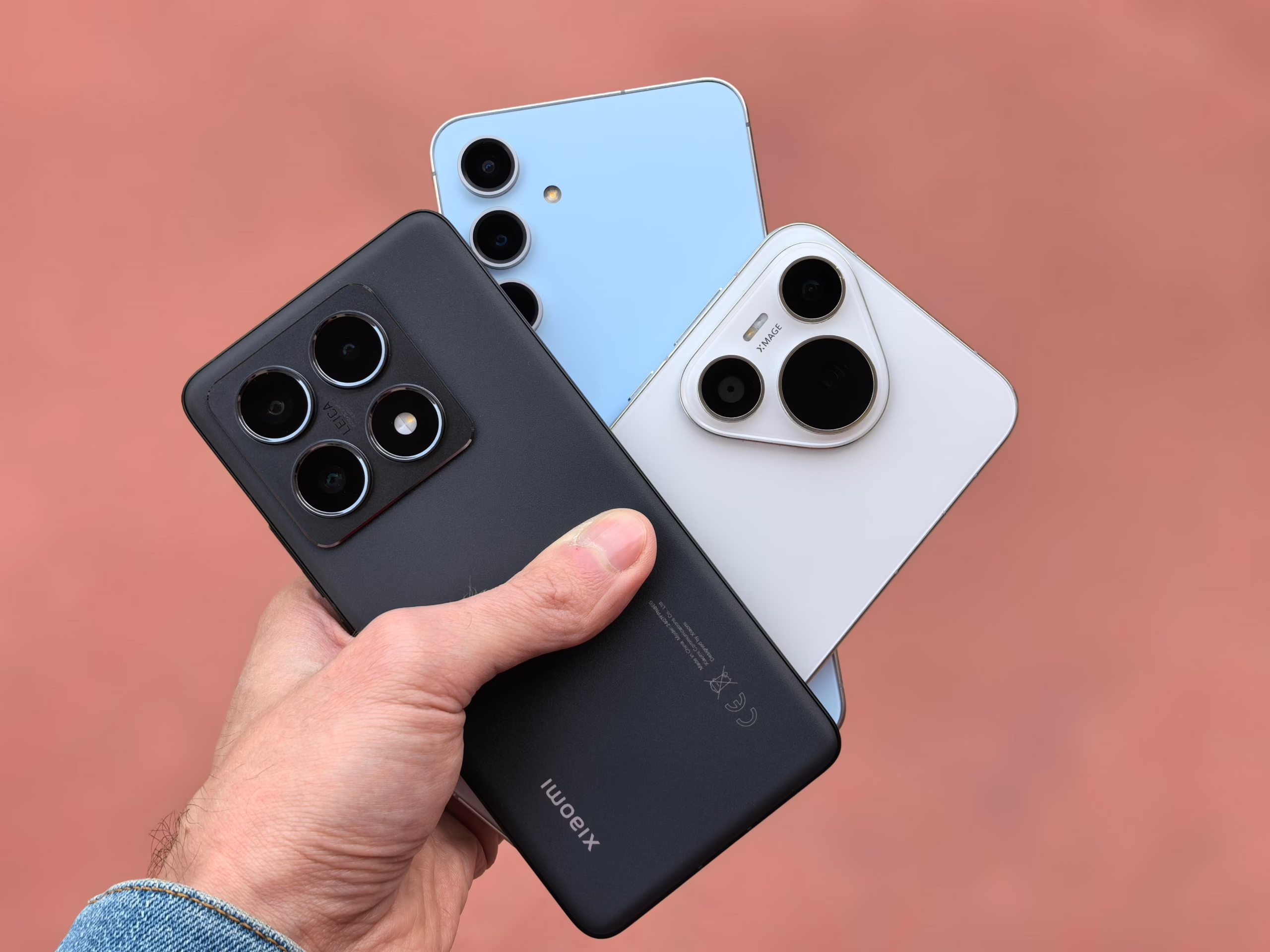
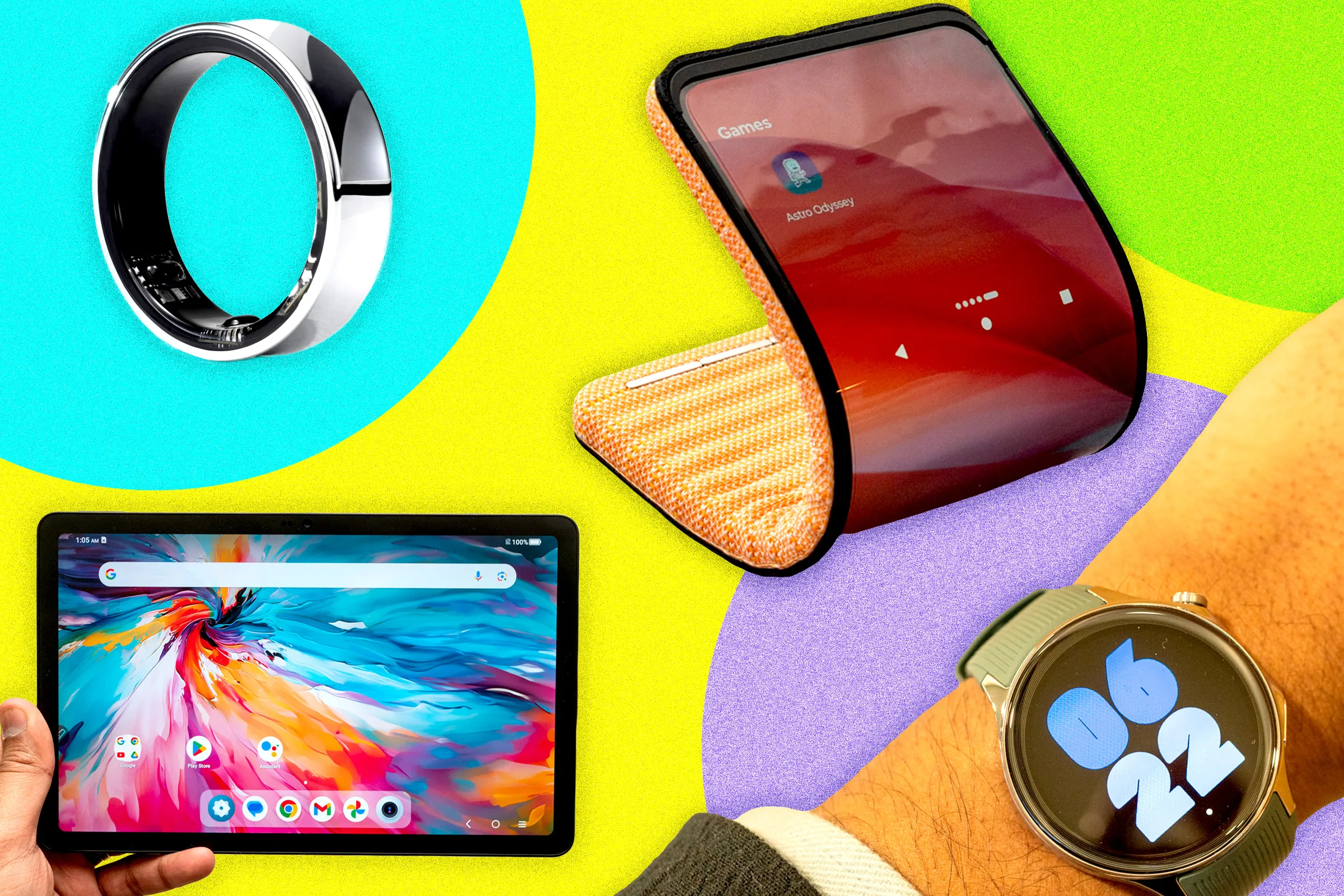
The smartphone market in 2026 is more exciting and diverse than ever before. With groundbreaking advancements in camera technology, processor speeds, and artificial intelligence, the latest mobile phones are redefining what a pocket-sized device can do. Whether you are a power user, a photography enthusiast, or someone looking for the best value for money, there is a device out there tailored just for you.
This comprehensive guide dives deep into the top smartphones currently available, analyzing their standout features, and helping you decide which one deserves a spot in your pocket. We’ll cover everything from flagship heavyweights to impressive budget-friendly alternatives, ensuring you have all the information needed to make a smart choice.
The Smartphone Landscape in 2026
Today’s best smartphones are more than just communication tools; they are powerful computing devices equipped with AI co-processors, multiple high-resolution cameras, and battery technologies that offer all-day power. The competition between Apple, Samsung, Google, and other key players has led to an unprecedented rate of innovation. The current generation of phones focuses on integrating generative AI features, improving display quality with higher refresh rates, and offering professional-grade camera systems. Consumers today are not just buying a phone; they are investing in a portable ecosystem that manages their work, entertainment, health, and social connections. This has made the decision-making process more complex but also more rewarding, as the latest mobile phones offer capabilities that were unimaginable just a few years ago.
What Defines the “Latest Mobile Phones” in 2026?
Before we dive into specific models, it is important to understand what actually defines the latest mobile phones in the current market. It is no longer just about having the newest number attached to a brand name. The true definition of a cutting-edge smartphone in 2026 includes a combination of advanced hardware, intelligent software, and seamless ecosystem integration.
Artificial Intelligence at the Core
The biggest shift in the latest mobile phones is the deep integration of artificial intelligence at the hardware level. Processors like the Google Tensor G5 and the Apple A19 are not just faster; they are specifically designed to run complex AI models locally on the device. This allows for features like real-time language translation, advanced photo editing that can remove objects or change the lighting of a scene with a single tap, and predictive battery management that learns your usage habits to optimize power consumption.
Advanced Camera Systems
The camera has become the primary differentiator for many consumers when choosing among the latest mobile phones. Gone are the days when a single high-megapixel sensor was enough. Today’s flagship devices feature sophisticated multi-lens setups. These include ultra-wide lenses for expansive landscapes, periscope telephoto lenses that offer up to 5x or even 10x optical zoom without losing quality, and macro lenses for extreme close-ups. The real magic, however, happens in the software, where computational photography uses AI to fuse multiple exposures into a single, perfectly lit, and detailed image.
Superior Display Technology
Display quality has reached new heights. The latest mobile phones now routinely feature OLED or AMOLED panels with refresh rates of 120Hz or higher. This results in incredibly smooth scrolling, more responsive gaming, and a generally more premium feel. Furthermore, peak brightness levels have soared, often reaching over 3,000 nits. This means you can comfortably use your phone outdoors in direct sunlight without squinting to see the screen.
Battery Life and Charging Speeds
As phone features grow more powerful, battery technology has had to keep pace. The latest mobile phones now come with larger capacity batteries, often exceeding 5,000 mAh. But more importantly, charging speeds have accelerated dramatically. Many new phones support fast charging rates of 65W, 80W, or even 100W, allowing a dead battery to reach a full charge in under 30 minutes. Wireless charging has also become faster and more efficient, adding to the convenience.
Software and Update Commitment
A crucial, and often overlooked, aspect of the latest mobile phones is the manufacturer’s commitment to software updates. Companies like Google and Samsung are now offering up to seven years of operating system upgrades and security patches. This longevity is a game-changer, as it means your device will not only stay secure but will also receive new features for nearly a decade, making it a much more sustainable and cost-effective purchase.
Leading the Pack: The Best Smartphones of 2026
To identify the most popular latest mobile phones, we must look at the devices that consistently top review charts and consumer wishlists. The following are the current frontrunners, each dominating their respective categories.
The Best iPhone for the Masses: Apple iPhone 17
Apple’s standard iPhone has often been considered the “little sibling” to the Pro models, but the iPhone 17 changes that narrative entirely. It is arguably one of the best all-rounders on the market for most users. The most significant upgrade is the display. Apple finally graced the standard model with a 120Hz OLED panel, matching the smooth scrolling and response times of its Pro siblings. Combined with a peak brightness of 3000 nits, the screen is incredibly easy to view even in direct sunlight. The stereo speakers are also notably punchy, making it a great device for media consumption. Under the hood, the A19 chip provides “pro-level performance” for everything from high-end gaming to music production. The dual 48MP camera system captures rich, detailed photos and 4K/60fps video, though the lack of a telephoto lens remains a drawback for zoom enthusiasts.
-
Pros: Superb 120Hz display, powerful A19 chip, excellent camera upgrades.
-
Cons: No telephoto lens, USB 2.0 data speeds.
-
Best for: Anyone who wants a flagship iPhone experience without the Pro price tag.
The Ultimate Android Powerhouse: Samsung Galaxy S26 Ultra
For those seeking the pinnacle of Android technology, the Samsung Galaxy S26 Ultra is the undisputed champion. It is the ultimate choice for power users and those who want the absolute best camera on a phone. Its standout features include a 200MP main sensor, an integrated S Pen, and a “Privacy Display” that prevents onlookers from seeing your screen—a fantastic feature for using your phone in public spaces. The S26 Ultra is powered by the Snapdragon 8 Elite Gen 5 processor, coupled with up to 16GB of RAM and 1TB of storage, making it a beast for multitasking and gaming. It excels in photography, offering a versatile camera stack that includes a 5x optical zoom telephoto lens.
-
Pros: Class-leading 200MP camera, integrated S Pen, powerful AI features, exceptional performance, and Privacy Display.
-
Cons: High price tag, average battery life.
-
Best for: Android enthusiasts, artists, note-takers, and anyone who wants the highest-end specs available.
The AI and Camera King: Google Pixel 10 Pro
The Google Pixel 10 Pro has cemented its reputation as the best camera phone for most people, thanks to Google’s mastery of computational photography and its advanced AI capabilities. The phone features a refined design and a 6.3-inch Actua OLED display that is extremely bright and smooth with a 120Hz refresh rate. The camera system is a triple-threat, featuring 50MP main, 48MP ultrawide, and 48MP telephoto lenses with a 5x optical zoom. The real magic, however, is in the software. Features like Magic Cue, which proactively provides information, and Camera Coach, which helps improve your photography skills, make the Pixel 10 Pro a truly intelligent device.
-
Pros: Best-in-class AI features, exceptional camera performance, refined design, fast on-device processing.
-
Cons: Battery life could be longer.
-
Best for: Photography enthusiasts and anyone who loves clean Android software and Google’s AI tools.
The Best Foldable Phone: Samsung Galaxy Z Fold 7
Foldable phones have matured significantly, and the Samsung Galaxy Z Fold 7 is the best book-style foldable on the market. It has been refined to be thinner and lighter than its predecessors, making it much more practical for daily use. The phone offers an 8-inch inner display, perfect for multitasking, gaming, and watching videos. Powered by the Snapdragon 8 Elite processor, it offers excellent performance for heavy multitasking. It also features a sharp 200MP camera, which is a huge improvement for a foldable device, and useful Galaxy AI features.
-
Pros: Superb 8-inch inner display, improved slim design, sharp 200MP camera.
-
Cons: Very expensive, average battery life.
-
Best for: The Z Fold 7 is ideal for “consolidaters”—people who want a single device to replace their phone, tablet, and possibly even their laptop.
The Best Flip Phone: Motorola Razr 70 Ultra
For a more nostalgic and pocket-friendly foldable experience, the Motorola Razr 70 Ultra is a top contender. Clamshell foldables like this one offer a full-size smartphone that can fold in half to fit easily into a pocket or purse. The Razr 70 Ultra is praised for its “effortlessly pretty” design, capable cameras, and relatively large battery. The software also plays a big part in its appeal. Motorola’s clean, near-stock Android experience makes the phone a joy to use, and the external display is more functional than ever for quick tasks.
-
Pros: Compact and stylish design, capable cameras, clean Android software.
-
Cons: Not the absolute best performance, display brightness could be better.
-
Best for: Fashion-conscious users who want the unique experience of a flip phone and the compactness it offers.
Best Value and Mid-Range Contenders
You don’t need to spend a fortune to get an excellent smartphone. The mid-range market is thriving with devices that offer flagship-like features at a fraction of the cost. The latest mobile phones in this category are particularly appealing to budget-conscious consumers who refuse to compromise on essential features.
Google Pixel 10a: The Best Mid-Range Phone
The Google Pixel 10a is widely considered the best value Android phone on the market. It offers “nearly all the flagship experience of the Pro model” with a refined design, a bright 6.3-inch OLED display, and versatile cameras. The 48MP main and 13MP ultrawide cameras take outstanding photos for the price. Google’s commitment to seven years of software updates ensures that the Pixel 10a will remain secure and receive new features for a very long time, making it a wise investment. This phone proves that you don’t need to spend over a thousand dollars to get a premium experience, making it one of the most accessible latest mobile phones for the average user.
OnePlus 15: The Flagship Performance Value
The OnePlus 15 is another fantastic option that offers exceptional performance and battery life, great cameras and slick software. It is positioned as a top all-rounder that delivers a truly premium experience without quite reaching the price point of the Galaxy S26 Ultra. Its fast charging capabilities are particularly noteworthy, often outpacing competitors in the same price bracket. For users who prioritize speed and a clean user interface, the OnePlus 15 stands out as a compelling choice.
Samsung Galaxy A56: The Reliable Mid-Ranger
Samsung’s A-series has long been a favorite in the mid-range segment, and the Galaxy A56 continues this tradition. It offers a large, vibrant Super AMOLED display, a versatile triple-camera setup, and a massive battery that can easily last two days on a single charge. While it may not have the absolute top-tier processing power of the S-series, it handles everyday tasks, social media, and even light gaming with ease. For many families and students, the Galaxy A56 represents the perfect balance of cost and functionality.
Comparison Table: Top Smartphones of 2026
| Phone Model | Best For | Key Feature | Approximate Price Range |
|---|---|---|---|
| Apple iPhone 17 | Best iPhone Overall | 120Hz OLED display, A19 chip | Premium |
| Samsung Galaxy S26 Ultra | Best Android Flagship | 200MP camera, S Pen, Privacy Display | Ultra-Premium |
| Google Pixel 10 Pro | Best Camera & AI | Google Tensor G5 chip, 5x telephoto | Premium |
| Samsung Galaxy Z Fold 7 | Best Foldable Phone | 8-inch inner display, 200MP camera | Ultra-Premium |
| Motorola Razr 70 Ultra | Best Flip Phone | Compact design, clean software | Premium |
| Google Pixel 10a | Best Value/Budget | 48MP camera, long software support | Mid-Range |
| OnePlus 15 | Best Performance Value | Fast charging, premium experience | Premium-Mid |
| Samsung Galaxy A56 | Best Reliable Mid-Ranger | Long battery life, Super AMOLED display | Mid-Range |
Key Features to Look For in 2026
When shopping for the latest mobile phones, consider these key areas to ensure you get a device that meets your needs and will remain relevant for years to come.
Camera Capabilities
The megapixel count isn’t everything, but high numbers are common. Look for versatile setups including main, ultra-wide, and telephoto lenses. Key features include Optical Image Stabilization (OIS) for steady shots, AI-powered enhancements for low-light photography, and excellent video recording capabilities, including 4K and even 8K at higher frame rates. The 200MP camera on the Galaxy S26 Ultra and the AI-driven photography of the Pixel 10 Pro are top-tier examples of what modern smartphone cameras can achieve.
Display Quality
Most high-end phones now feature OLED panels with a 120Hz refresh rate. This ensures buttery-smooth scrolling and a more responsive feel. Brightness is also crucial, with many screens now reaching over 3,000 nits for excellent outdoor visibility. Also, consider the resolution; while QHD+ offers sharper images, FHD+ is often sufficient and can help conserve battery life.
Processor Power and Performance
The chip is the brain of the phone. The latest models feature cutting-edge chips like the Snapdragon 8 Elite Gen 5, Apple A19, and Google Tensor G5. These chips not only provide raw power for gaming and multitasking but also enable advanced AI features and improve energy efficiency. The amount of RAM is also important, with 8GB being the new standard for a smooth experience, and 12GB or 16GB recommended for power users and gamers.
Battery Life and Charging
Battery capacities are growing, with many phones now featuring 5000mAh batteries or larger. Look for fast charging (wired and wireless) to minimize downtime. Some phones now feature massive batteries exceeding 6000mAh, promising exceptional longevity that can easily last through a full day of heavy use and into the next. Also, consider the inclusion of reverse wireless charging, which allows you to use your phone to charge other devices like wireless earbuds.
Expert Tips for Choosing Your Next Phone
Making the right choice among the latest mobile phones can be overwhelming. Here are some actionable expert tips to guide your decision.
-
Identify Your Budget First: This is the most important factor. Decide on a price range before you start comparing features to narrow down your choices effectively. If you are looking for the best value, the mid-range segment offers incredible options that are often overlooked.
-
Prioritize Your Specific Needs: Are you a photography enthusiast? Then the camera system is your top priority, pointing you towards devices like the Google Pixel 10 Pro or the Samsung Galaxy S26 Ultra. Are you a heavy gamer or a professional who uses demanding apps? Look for a powerful processor and a large battery. Do you need your phone primarily for work and productivity? Consider a device like the Z Fold 7 for its multitasking capabilities.
-
Check for Long-Term Software Support: Companies like Google and Samsung are now offering up to seven years of software updates. This is a significant factor if you plan to keep your phone for a long time. A phone with a long update commitment is a better investment than one that will be obsolete in two years.
-
Don’t Get Caught Up in Spec Wars: A higher number isn’t always better. A 108MP camera isn’t necessarily superior to a 50MP camera if the software processing is inferior. Focus on the overall package and real-world performance as reported by trusted reviewers.
-
Consider the Ecosystem: If you already own a smartwatch, earbuds, or a tablet from a specific brand, it often makes sense to buy a phone from the same ecosystem. This ensures seamless integration, easy pairing, and exclusive features.
-
Read and Watch In-Depth Reviews: While specifications are important, real-world experience matters. Seek out detailed reviews from trusted sources to see how a phone performs in daily use, how the camera handles different lighting conditions, and how the battery holds up under real-world stress.
Conclusion
The smartphone market in 2026 offers an incredible variety of high-quality devices tailored to every need and budget. The most popular latest mobile phones are not just about specs; they are about the overall experience they provide. The Apple iPhone 17 is the ultimate all-rounder for iOS fans, offering a flagship experience at a more accessible price point. For users who demand the absolute best Android has to offer, the Samsung Galaxy S26 Ultra remains the pinnacle of power, productivity, and photography.
For camera and AI lovers, the Google Pixel 10 Pro is a dream come true, showcasing the true potential of computational photography. For the early adopter wanting a futuristic experience today, the Samsung Galaxy Z Fold 7 is unrivalled in the foldable space, effectively replacing both your phone and tablet. And for those seeking a unique, stylish, and compact device, the Motorola Razr 70 Ultra is a top-tier flip phone.
The mid-range market is just as compelling, with the Google Pixel 10a offering unbeatable value and long-term software support that is hard to match. The OnePlus 15 and Samsung Galaxy A56 also provide fantastic options for those who want premium features without breaking the bank.
Actionable Takeaways:
-
Define Your Budget: Determine your maximum spend before you start shopping.
-
List Your Top Three Priorities: Is it the camera, battery life, or performance? Let this guide your choice.
-
Consider Long-Term Value: A phone with longer software support is a better investment.
-
Read the Fine Print: Check for carrier compatibility, storage options, and available colors before you commit.
-
Buy from a Reputable Retailer: Whether online or in-store, ensure you are getting an authentic device with a proper warranty.
Ultimately, the best phone for you is the one that fits your lifestyle, your hand, and your pocket. The technology available today is so advanced that there is virtually no “wrong” choice among the top contenders. With the research you’ve done here, you are now well-equipped to make a smart, informed decision and enjoy the incredible capabilities of the latest mobile phones.