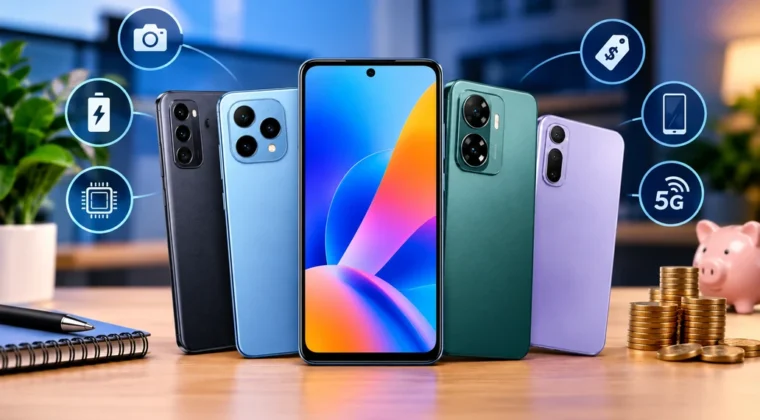
Not everyone needs — or wants — to spend a thousand dollars on a flagship smartphone. The budget smartphone segment has matured dramatically in recent years, with mid-range and affordable devices now offering features that were exclusive to premium phones just a few years ago. Finding the best budget smartphones in 2026 means understanding what genuinely matters for your daily use, rather than chasing spec sheets.
This guide walks through the key factors to consider when shopping for an affordable smartphone, along with what today’s budget market generally offers.
What Counts as a “Budget” Smartphone in 2026?
The budget smartphone category has expanded and evolved. Generally, budget and mid-range devices fall into a lower price bracket compared to flagship models from major manufacturers, while still offering solid day-to-day performance. The gap between flagship and budget devices has narrowed significantly, particularly in areas like display quality and basic camera performance.
1. Display Quality
Even budget smartphones now commonly feature:
- Full HD+ resolution displays with good color accuracy
- Higher refresh rates (90Hz or 120Hz) that were once exclusive to premium phones
- AMOLED or high-quality LCD panels depending on the specific model and price point
When comparing options, prioritize screen quality over raw specs like resolution numbers alone — a well-calibrated 90Hz display often provides a better everyday experience than a higher-resolution but poorly optimized panel.
2. Processor and Performance
Performance is often where budget phones make the most noticeable trade-offs compared to flagships. When evaluating processors, consider:
- How the phone handles everyday tasks like browsing, messaging, and social media
- Whether it can handle multitasking without significant lag
- Gaming performance, if that’s important to you — budget phones can struggle with graphically demanding games
- Software optimization, which can matter as much as raw processing power
Reading real-world performance reviews rather than relying solely on benchmark scores will give you a better sense of everyday usability.
3. Battery Life
Battery life is one of the areas where budget phones can genuinely compete with — or even exceed — flagship devices, since manufacturers often include larger batteries to compensate for less power-efficient processors. Look for:
- Batteries in the higher capacity range for your usage needs
- Fast charging support, which has become increasingly common even in budget segments
- Software-level battery optimization features
4. Camera Performance
Camera quality remains one of the biggest differentiators between budget and flagship devices, but the gap has narrowed considerably for everyday photography. When evaluating budget phone cameras, consider:
- Performance in good lighting conditions, where most budget cameras perform reasonably well
- Low-light photography, which typically shows the biggest quality gap compared to flagships
- Video recording capabilities, including resolution and stabilization
- Whether the camera software includes useful computational photography features
For casual photography and social media sharing, many budget smartphones now produce genuinely impressive results.
5. Storage and RAM
Adequate storage and memory are essential for smooth performance over time. General guidance includes:
- Choosing at least a moderate amount of internal storage to accommodate apps, photos, and updates over the phone’s lifespan
- Checking whether the device supports expandable storage via microSD card
- Ensuring sufficient RAM for smooth multitasking based on your typical usage patterns
6. Software Support and Updates
One area where budget phones have historically lagged behind flagships is long-term software support. Before purchasing, check:
- How many years of operating system updates the manufacturer commits to
- How long security patches will continue to be provided
- Whether the phone runs a clean version of the operating system or a heavily modified interface, which can affect performance and update speed
Longer software support generally means better long-term value, even if the phone’s hardware doesn’t feel “current” several years down the line.
7. Build Quality and Design
Budget doesn’t have to mean flimsy. Many affordable smartphones now feature:
- Durable materials like reinforced glass or quality plastic construction
- Water and dust resistance ratings, though often lower than flagship devices
- Comfortable ergonomics and reasonable weight for everyday use
8. Connectivity Features
Depending on your needs, check for:
- 5G support, which has become increasingly standard even in budget devices
- Dual SIM capability if you need to manage multiple phone numbers
- NFC support for contactless payments
- Wi-Fi 6 support for faster home network speeds
9. Brand Ecosystem and After-Sales Support
Consider the broader ecosystem and support network:
- Availability of authorized service centers in your area
- Warranty terms and what they cover
- Compatibility with accessories you may already own
- Community and online support resources for troubleshooting
10. Value for Money: Making the Final Decision
Ultimately, choosing the best budget smartphone comes down to matching features to your actual needs rather than chasing every available spec. Consider:
- Your primary use case — is it mainly calls and messaging, social media, photography, or light gaming?
- How long you plan to keep the phone — longer ownership periods justify prioritizing software support and battery longevity
- Your budget flexibility — sometimes spending slightly more unlocks significantly better value in camera or performance
For hands-on comparisons of specific models, check our Reviews category, and browse more device guidance in our Mobile & Gadgets category.
Frequently Asked Questions
Are budget smartphones good enough for everyday use? Yes, for most everyday tasks like calling, texting, browsing, and social media, today’s budget smartphones perform very well and offer excellent value.
What’s the biggest trade-off with budget smartphones compared to flagships? Camera performance in low light and raw processing power for demanding tasks like gaming or heavy multitasking are typically the most noticeable differences.
Should I prioritize RAM or storage when choosing a budget phone? Both matter, but insufficient RAM tends to cause more noticeable slowdowns during daily use, while storage primarily affects how many apps and photos you can keep on the device.
Conclusion
The best budget smartphones in 2026 offer a compelling combination of solid performance, good displays, and respectable cameras at accessible price points. By focusing on the factors that matter most for your specific needs — rather than simply chasing the lowest price or the longest spec sheet — you can find a device that delivers genuine long-term value. For more smartphone guidance and reviews, explore our full Mobile & Gadgets category on Today Tech Times.